
Lightroom’s Select Landscape Didn’t Work? Don’t Give Up!
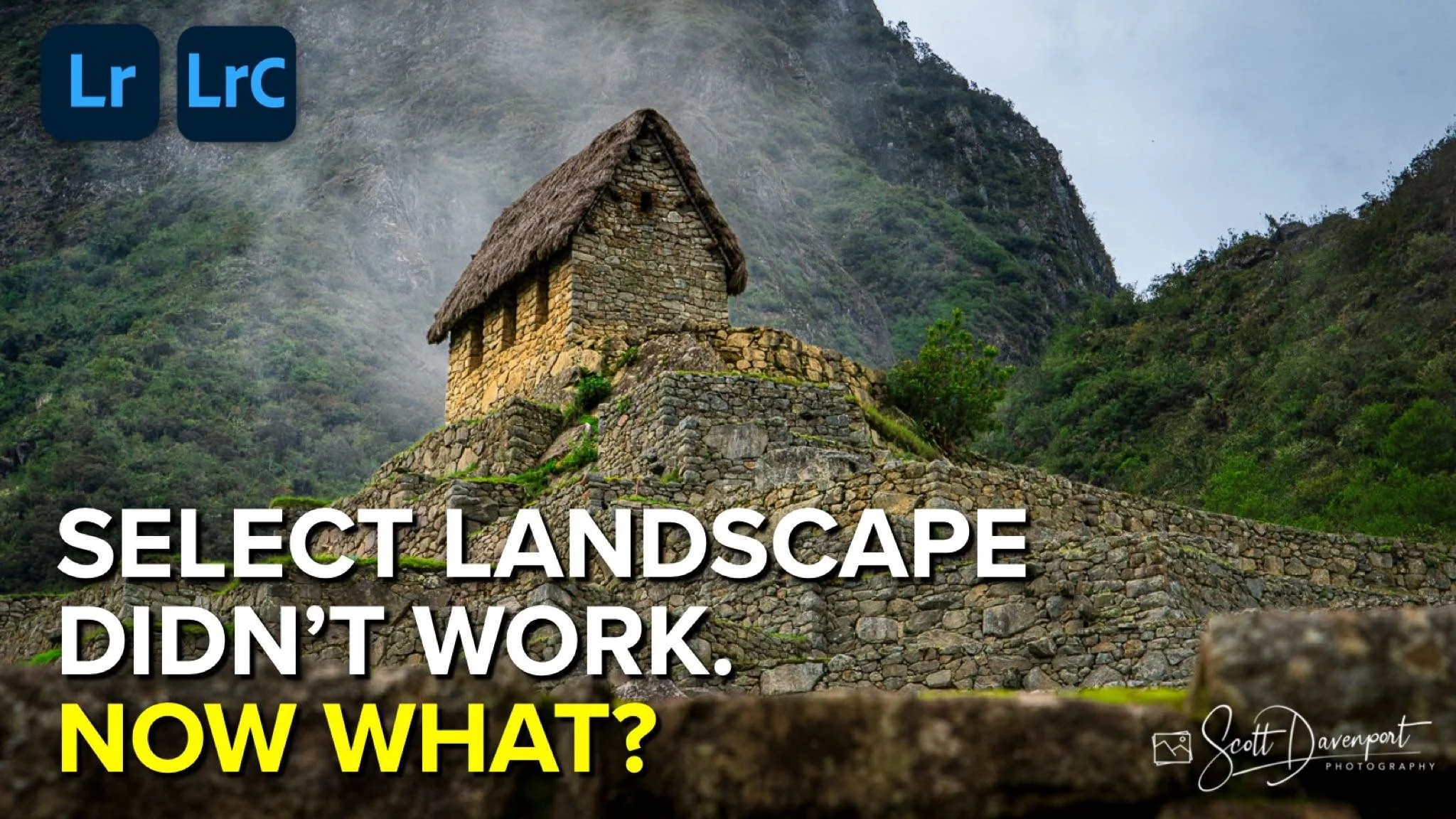
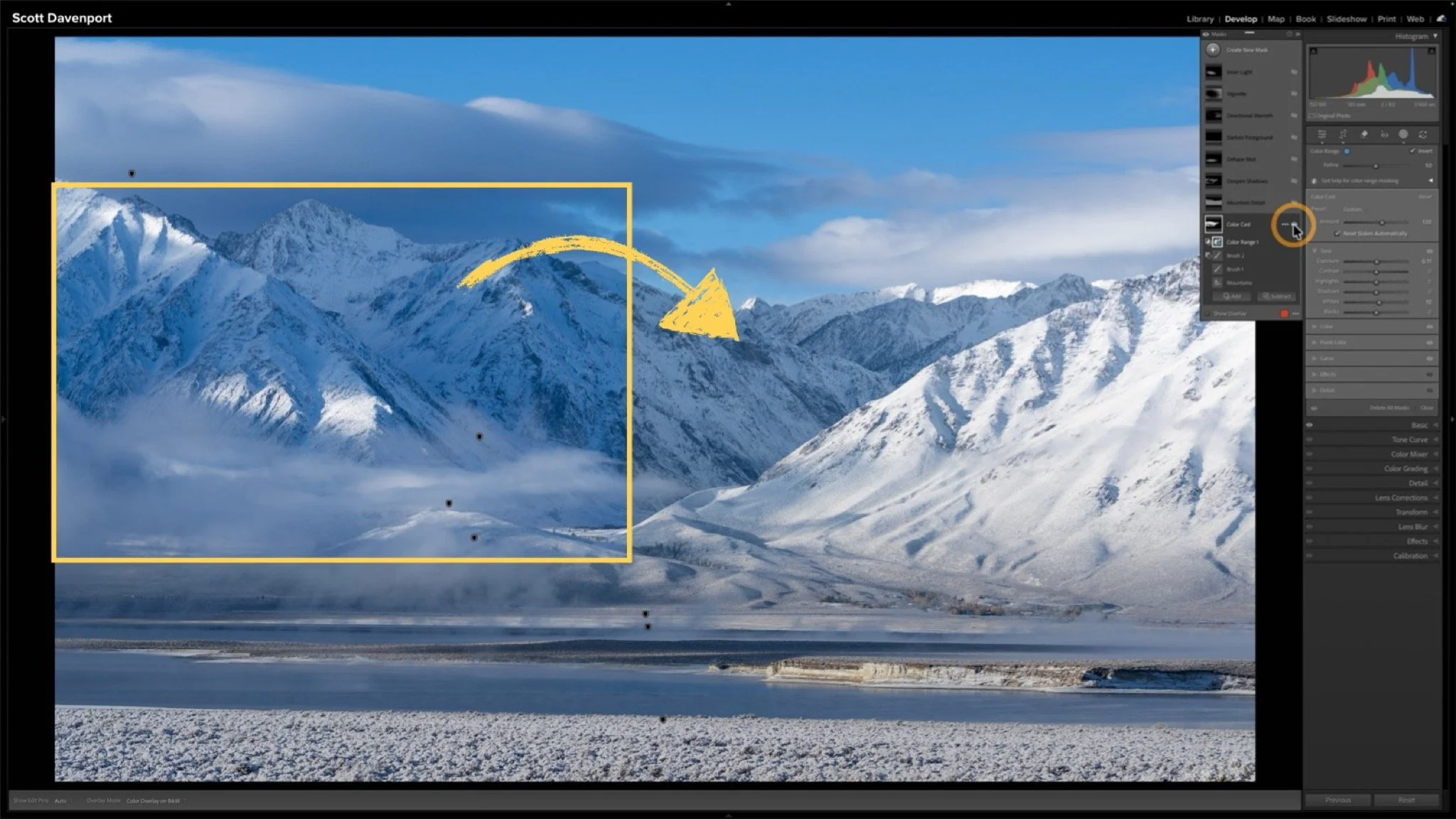
When Lightroom’s Select Landscape tool doesn’t work as expected—either missing parts of the scene or failing to activate—it’s important not to abandon the masking process altogether. These AI-based tools are powerful, but not infallible, especially in scenes with less-defined horizons or mixed subject matter. The first step is to take a step back and assess what the tool recognized versus what it overlooked. You can use that as a foundation and then subtract or add to the mask manually with other tools. When filling in those gaps, think of the Brush as your precision tool. It’s perfect for recovering missed details—say, a rocky outcrop or faded midground.
Another smart move when the selection falls short is refine it once, and then turn to Duplicate and Invert the mask. This can help you target what the AI didn’t see, giving you a way to fine-tune your adjustments without starting from scratch. The key is to see Lightroom’s masking as modular. When Select Landscape fumbles, it’s just a cue to get a bit more hands-on and creative. Combine tools to make your selection. Duplicate, invert, refine—it’s not about getting it perfect on the first pass, it’s about layering tools until the image starts to feel right.
Stone House, Machu Picchu
Contact Scott to commission a print or license this image.
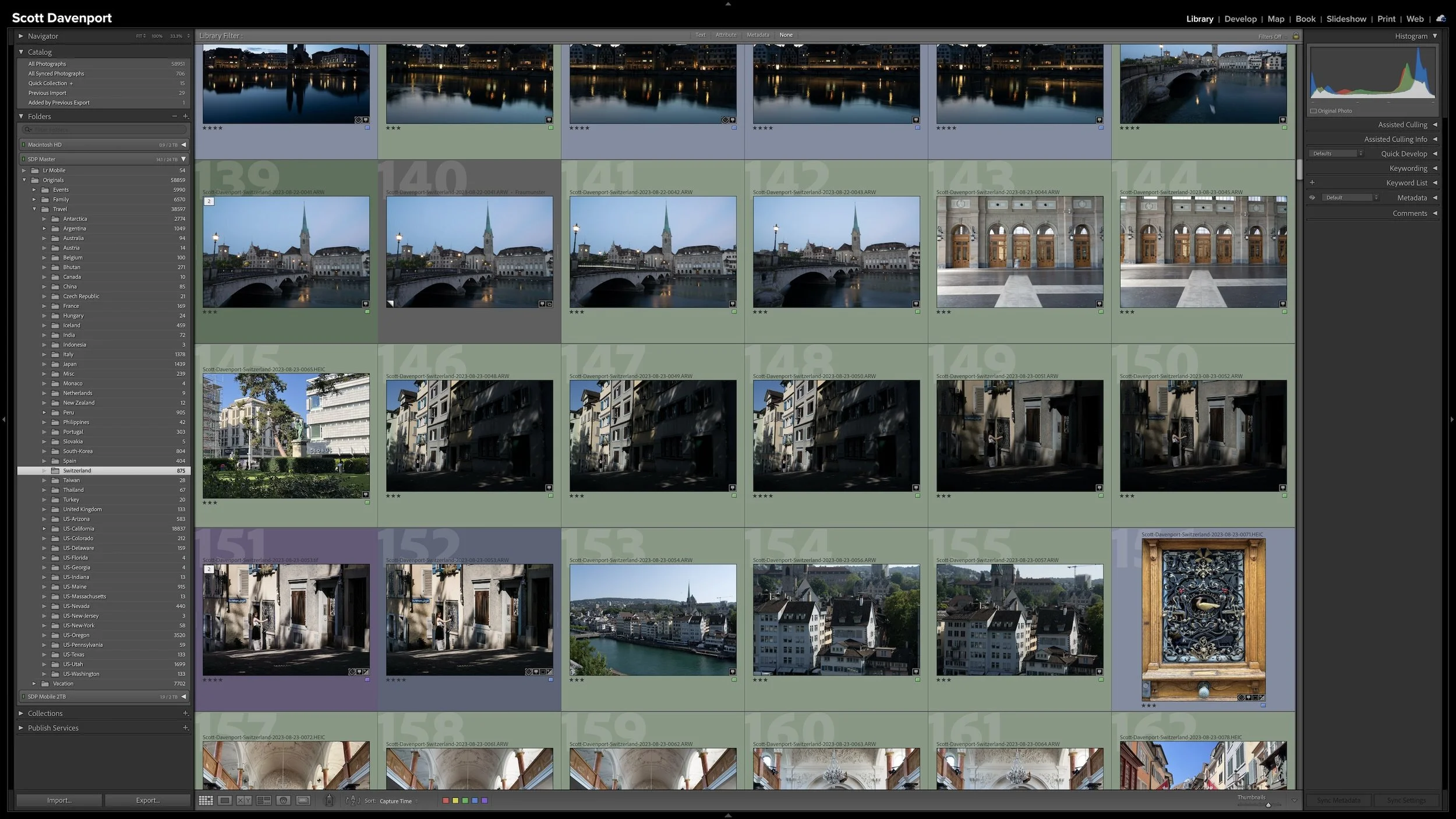
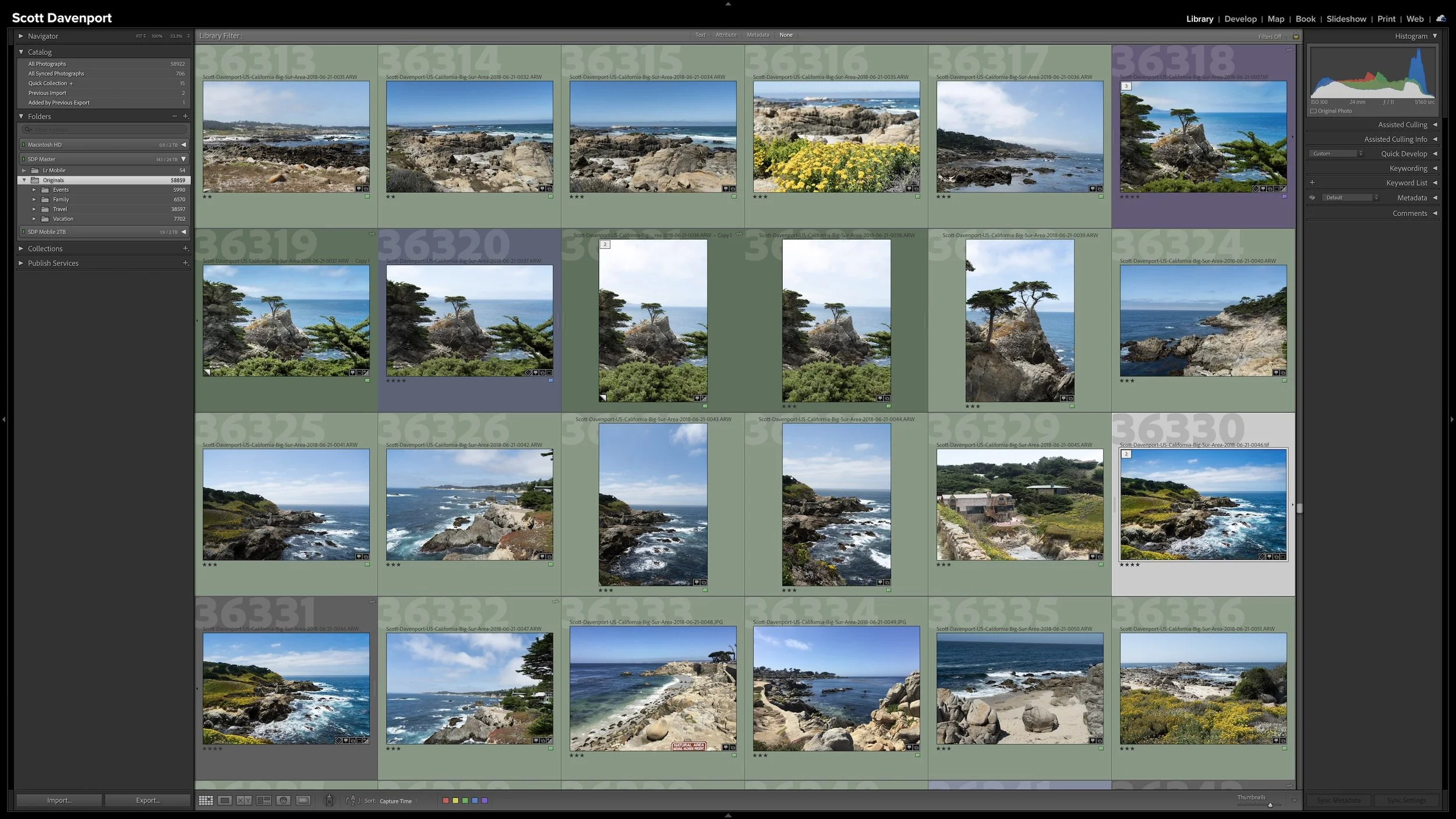
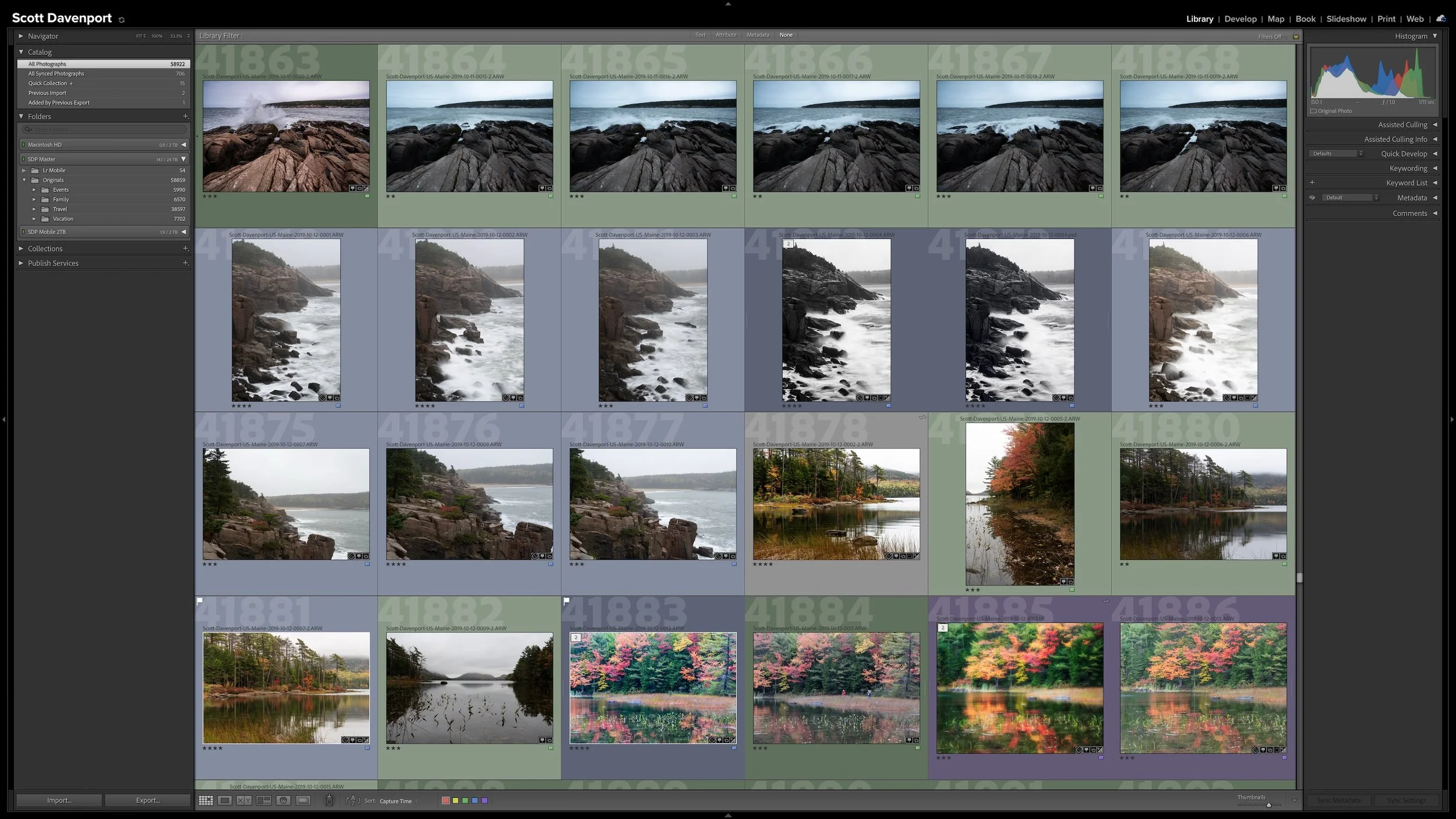
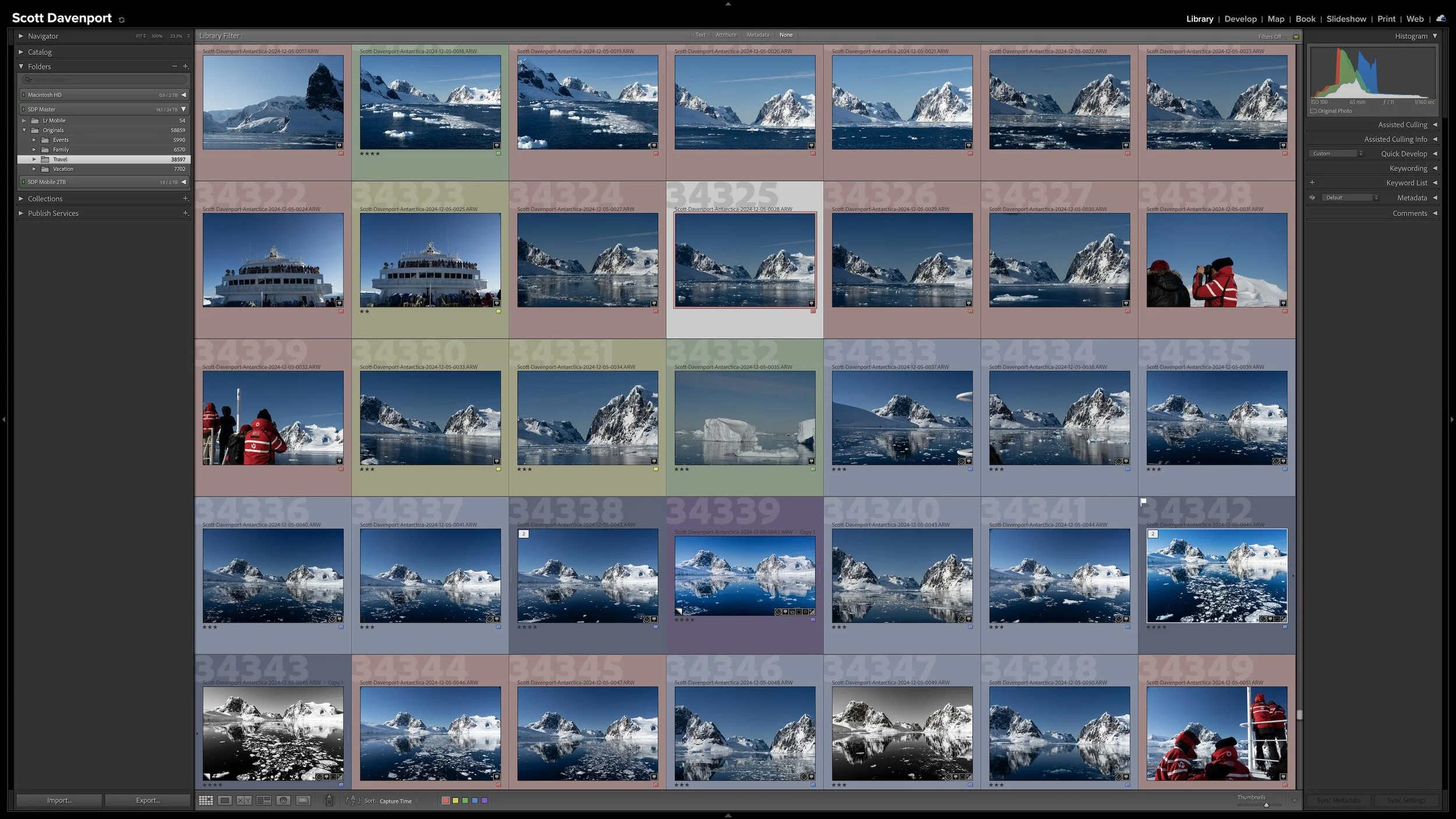

Lightroom Classic's Import dialog presents plenty of choices, but one of the most important decisions is straightforward: where are your photos now, and where do you want the original files to live after the import?
Copy, Move, and Add each handle the original files differently. Once you understand what happens to the physical files and what happens in the Lightroom catalog, choosing the right import method becomes much easier.