If you are trying Luminar or upgrading from a prior version, please consider using my affiliate link. There is no extra cost to you and it helps support Luminar tutorials like this one. Ready to buy? Use the offer code SDP10 at checkout and Save US$10!
Light Depth is one of the most exciting additions to Luminar Neo—finally giving photographers an intuitive way to shape light by depth, not guesswork.
In this tutorial, I walk you through how Light Depth uses AI-powered depth masks to separate foreground, midground, and background lighting with an interface that actually makes sense. A very approachable, clean, visual slider approach that lets you sculpt light in a way that feels natural, fast, and creative.
Whether you're enhancing atmosphere in a landscape, creating depth separation, or guiding the viewer’s eye with light, this tool brings a level of control that used to require much more manual work. Most of all—it's approachable. You don’t need to be a masking expert to use it like one.
If you’ve been waiting for simpler, smarter lighting control that enhances dimension and mood without breaking your workflow, Light Depth is it.
Mono Lake Tufa After Sunset
Contact Scott to commission a print or license this image.
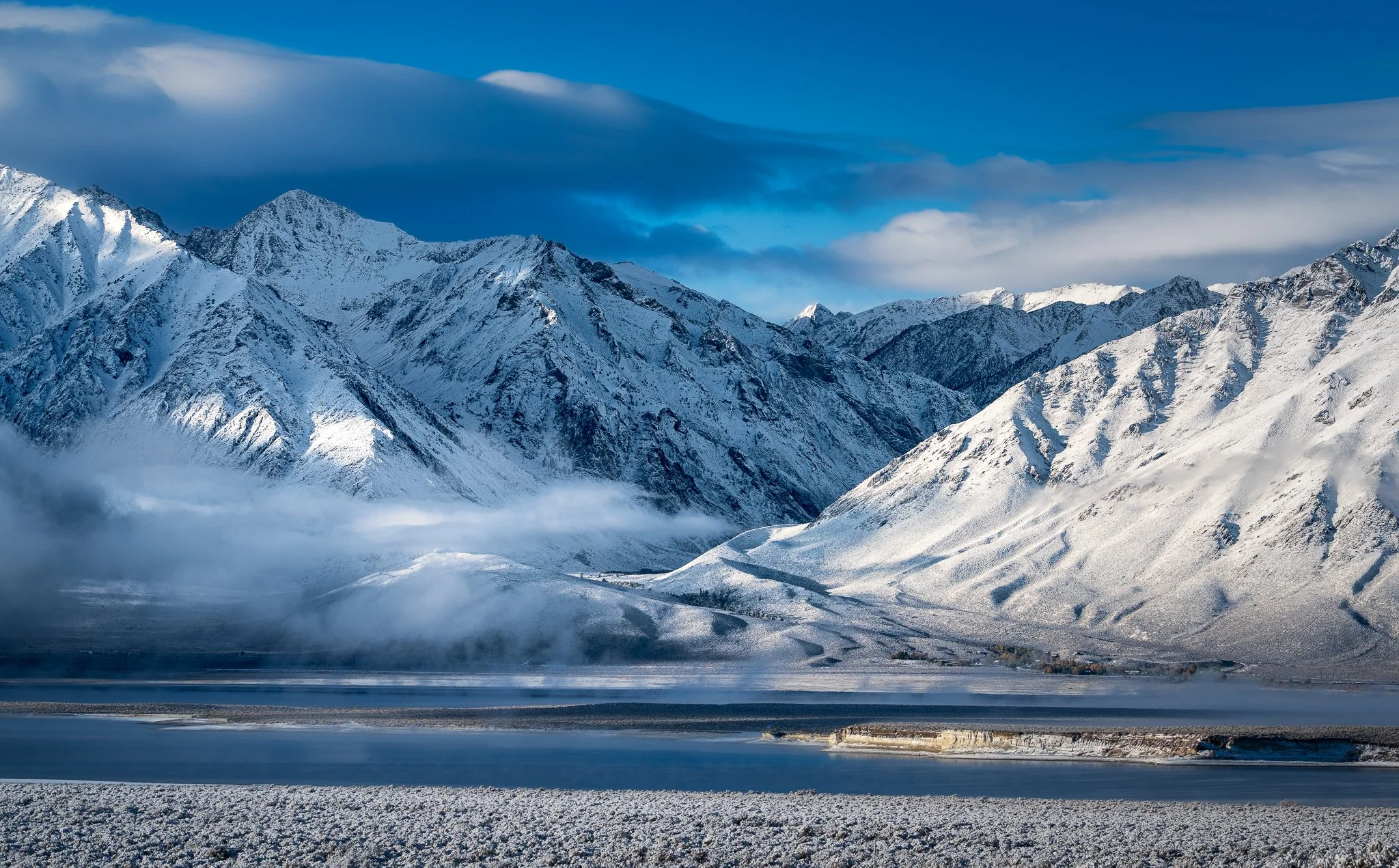
A dreamy, soft look can be a beautiful way to finish a landscape photograph, but applying that softness everywhere can work against the image. The challenge is deciding where you want the viewer to feel softness and where you want them to see texture and detail.
In this article, I look at a practical way to use Luminar's Mystical tool selectively, keeping the mist and sky soft while preserving the crisp, textured character of the mountains. The result is more than a softer photograph—it creates another kind of contrast that can help direct attention through the image.
Lightroom gets me most of the way there — Luminar Neo helps me finish the photo. Here are the three tools I use when a landscape needs just a little extra drama or dreaminess.
The AI Assistant in Luminar Neo can be a powerful starting point—but it’s not the finish line. In this video, I show where the AI assistant ends and you, the photographer, begin.
Luminar Neo’s new Light Depth tool puts AI-powered depth masks and intuitive sliders in your hands, making it easier than ever to create realistic dimension, mood, and focus in your landscapes.
Got 3 minutes? I’ll show you why I use Luminar Neo to finish off my black & white images.
Luminar Neo has been in my photo editing toolkit for years. I’m rediscovering how great it is as a finishing tool for my images.
Luminar Neo remains part of my photo toolkit because it delivers looks that I like quickly. I use it regularly to apply finishing touches to certain types of images.
Skylum continues to add features to Luminar Neo. The latest feature is Mask AI - and it will simplify masking and speed up your workflow.
I have long been a fan of the glow looks in Luminar. The Soft Focus glow is a surprisingly great choice for certain landscape scenes.
A cityscape can have plenty of bright lamps and still feel a little flat. Luminar Magic Light tool can bring more atmosphere to those artificial light sources, but applying the same glow everywhere may pull attention away from the parts of the photograph that matter most.
The useful decision is where to let the light shine and where to hold it back. A modest starting adjustment, followed by a few selective changes, can give the scene more life while keeping its lighting believable.