
In late 2017 I converted my Sony A7R to infrared. LifePixel did my conversion and it was a smooth experience. I don’t feel I’m experienced enough with infrared photography to offer advice. What I am comfortable doing is sharing my experiences. And that’s exactly what I do in this video.
If you are short on time, my key takeaways to date:
Set a custom white balance in the field at the start of each photo shoot
Keep the aperture reasonably wide to avoid a “hotspot” in the center of the frame
My camera tends to meter on the low end, so I use exposure compensation
Mid-day shoots have worked best so far
Subscribe and share!
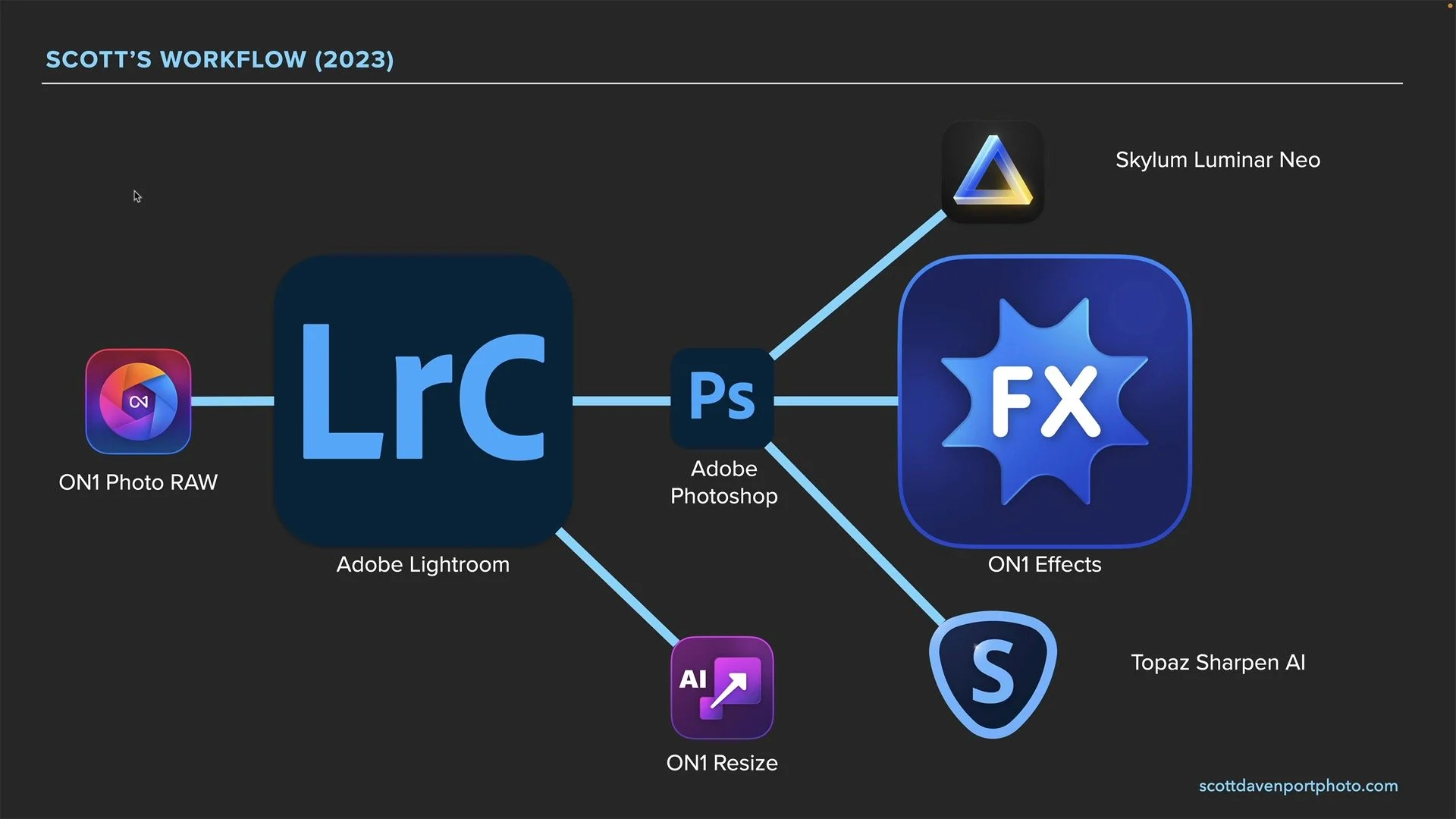
Photography is ultimately about the photos. The software used to make them are our tools. I am often what photo software I use. To answer that… I need to give you a brief history of my photo software journey.

In my Live Edit videos, I process a photo I’ve never worked on before from start to finish. The bumps, missteps, and switchbacks are all part of the learning.
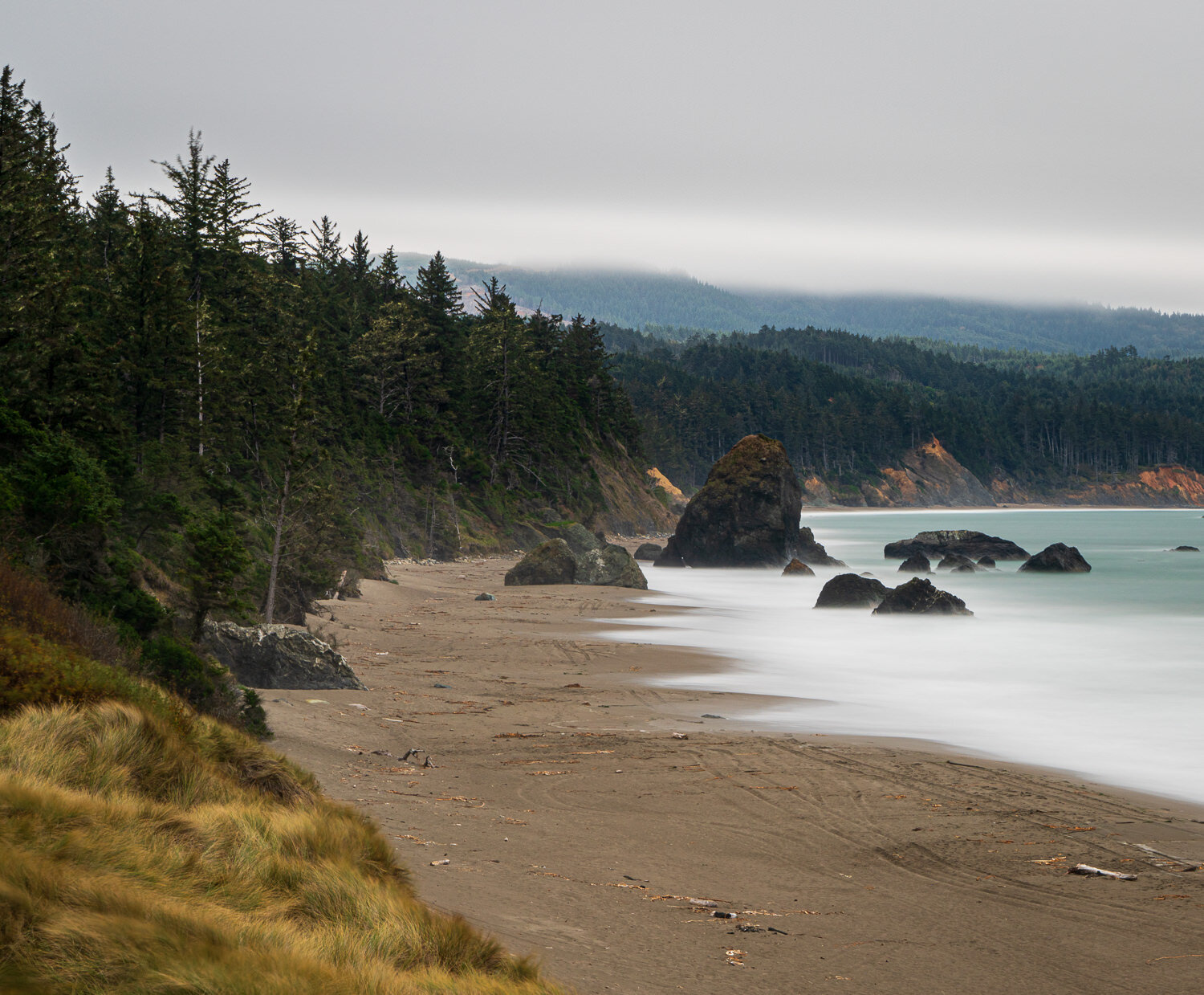
Finding several unique images within your existing photo is a great way to grow your eye for composition. You might have new, compelling photos hiding in plain sight.

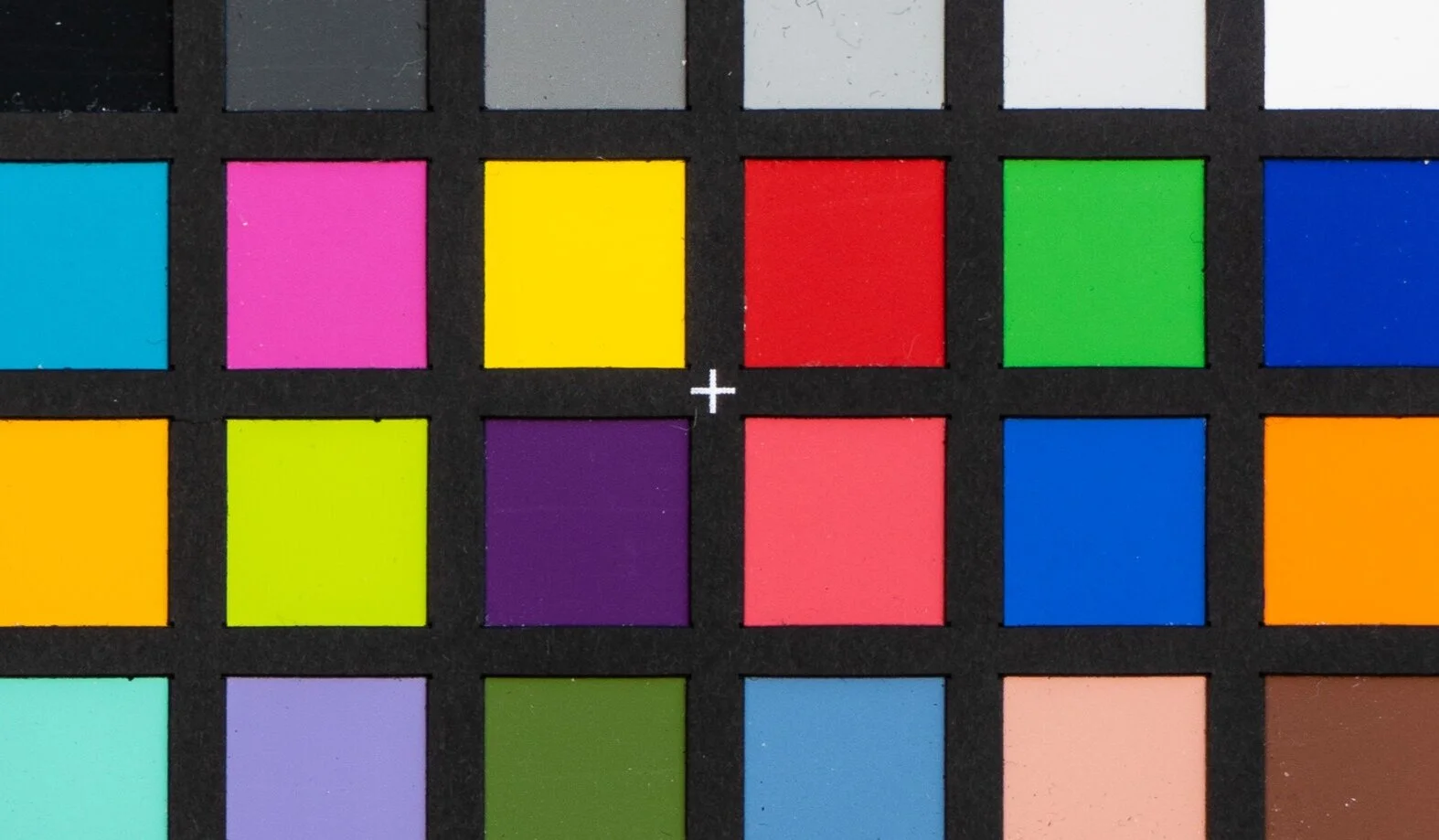
Test your own filters for a color cast. All you need is a reference point and consistent lighting.

I get asked about my tripod spikes all the time. Finally another company is making a set like the ones I have.


Calibrating your monitor and printer can be a bit of a hassle. And you need equipment for it. Is it really necessary?

Not all printer drivers are created equal. You could be missing out on important controls and settings for your photo prints.

How fast are my photo edits? Turtle slow... and I've got reasons for that