
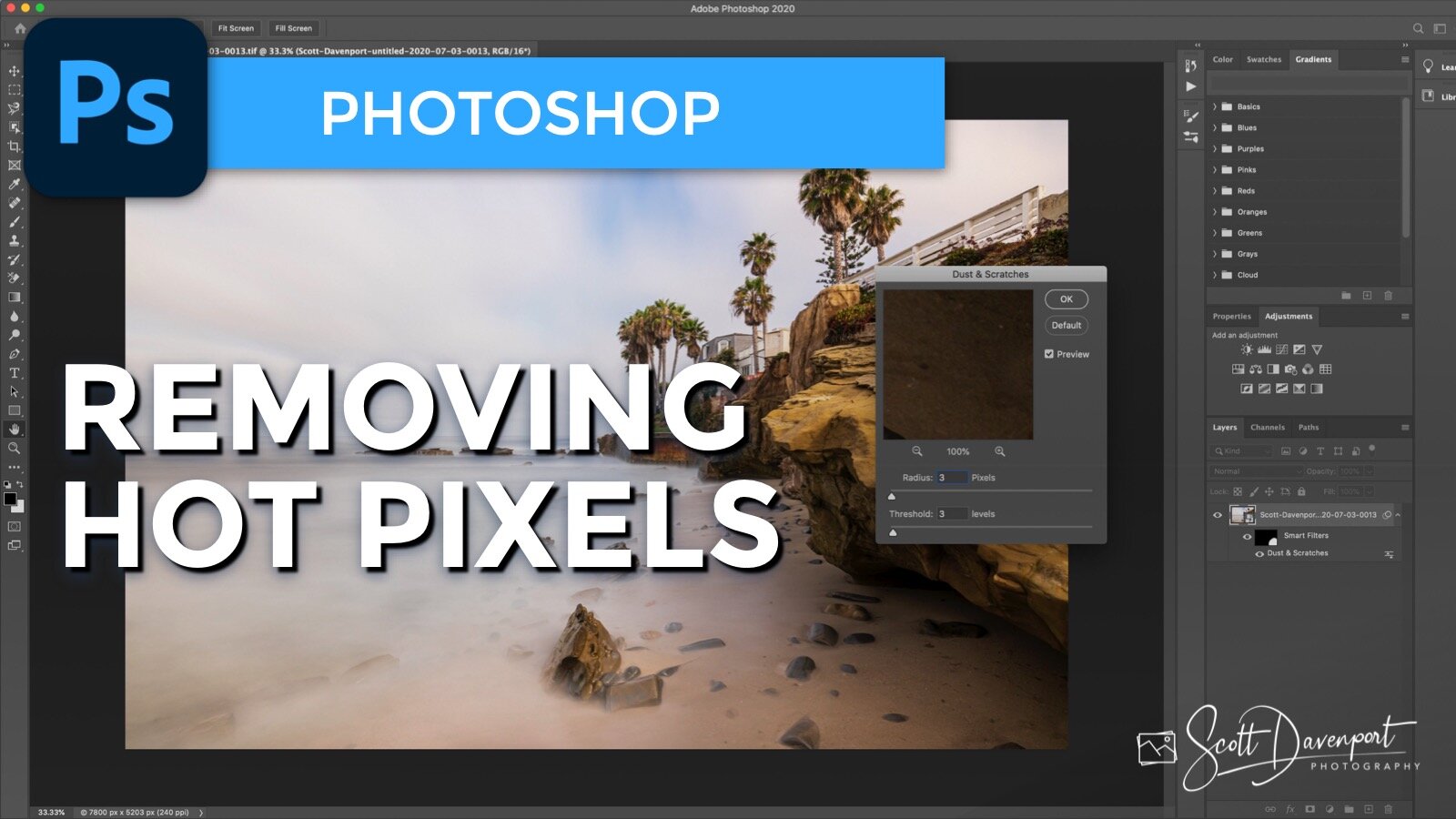
Hot pixels are those red, blue, and green spots in our photos. They appear in long exposure photos when the sensor has been active for a long time. Correcting them one by one is time-consuming and annoying. Photoshop has a wonderful Dust & Scratches filter that takes care of these hot spots. Although, you do want to apply it selectively. I’ll show you how in this video.
Subscribe and share!

When you find yourself wresting with a crop and the composition isn’t falling into place, think about generative expand. It can correct field mistakes - and it’s easy to use.

Yes! You can create a composite image using handheld photos. All you need layering software with an auto-align feature.
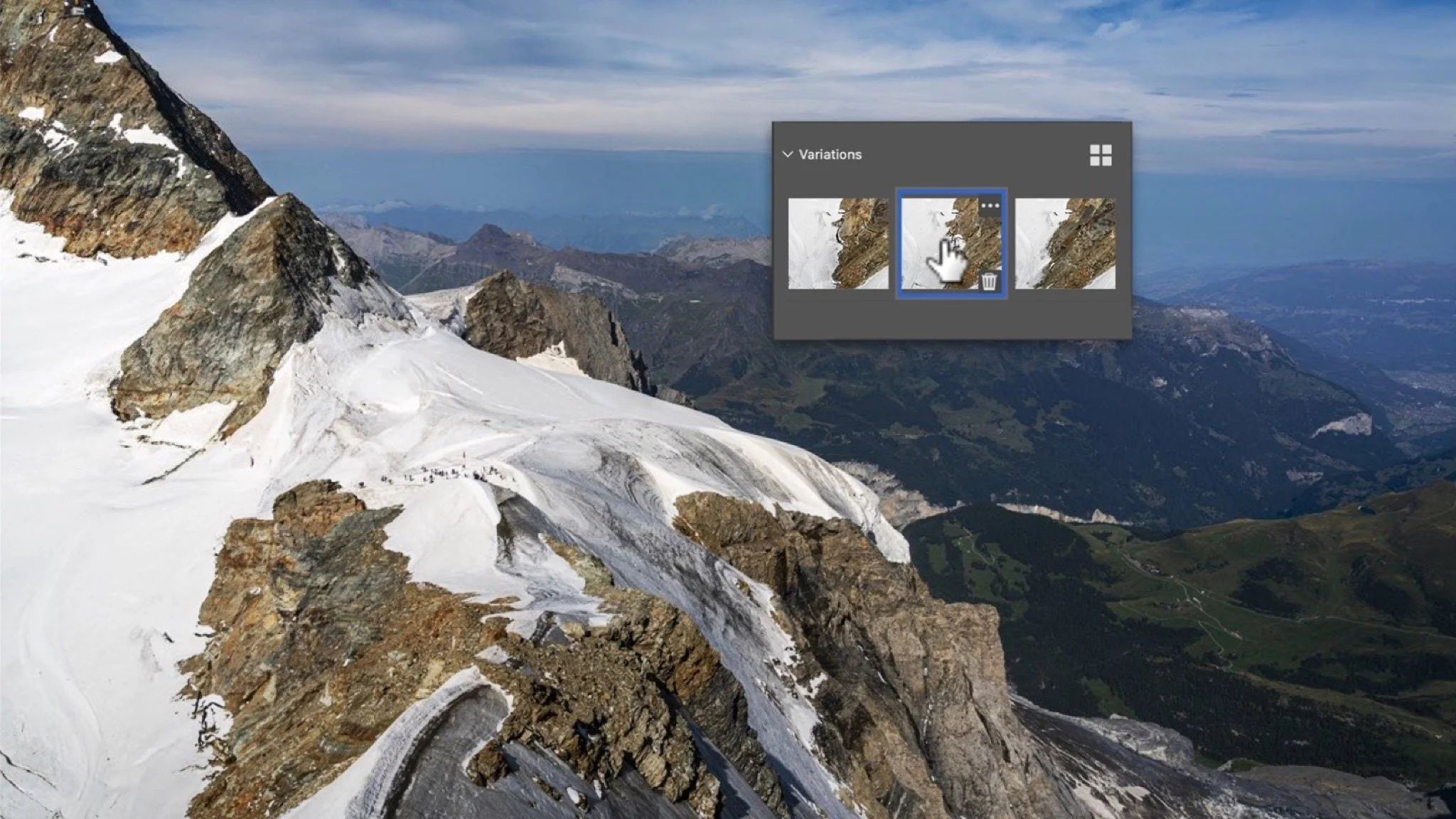
The Generative Fill AI feature of Adobe Photoshop is all the rage right now. And with good reason - it is a powerful tool. I’ll show you how to pick the best variation for your photo retouching.

I was very happily surprised how well Photoshop aligned two handheld photos of a scene with a lot of fine details.

Removing hot pixels in Photoshop is straightforward. A filter, a little tinkering, and a little light masking is all that’s needed.

Check out this simple blending trick to create engaging cityscapes.
A traffic filled night in Lisbon looking down the road at the Marques de Pombal

Q & A Time! Join me for this "this" vs. "that" questions about file formats and processing tools.

Do you like twilight? Me too! A twilight look is just two quick curves adjustments away.

Bowing and warping happens when we shoot at wide angles. If the perspective shift is too extreme, back it off in post processing.

Sometimes you commit to a landscape composition, but the moving elements never come together perfectly in a single frame. The best wave might be in one photo, while another has better texture or movement elsewhere in the scene.
In this video, I’ll show you how I selected three seascape photos and blended their strongest elements using simple layers and masks in Photoshop. The masking is straightforward, and the same idea works in any editing software that supports layers.