

Videos And Articles

The Exclusion Blending Mode In ON1
The Exclusion blending mode is a challenging one to explain without diving into math. And I won’t do that. Instead, I’ll show you how to use it for color grading.

The Difference Blending Mode In ON1
Difference, as its name suggests, measures differences between two layers. I use this blending mode when I need to manually align layers.

The Luminosity Blending Mode In ON1
If an ON1 Effects filter shifts color in an unwanted way, try using the Luminosity blending mode. Luminosity deals only with brightness values, protecting your photo’s hue and saturation.

The Vivid Light Blending Mode In ON1
The contrast increase from Vivid Light is a strong one and can overpower a scene. Temper its Opacity - and try it out for color grading (my preferred use for this blending mode).

The Soft Light Blending Mode In ON1
The Soft Light blending mode has a more subdued touch than the Overlay mode. I like this mode for subtler texture blends.
The Overlay Blending Mode In ON1
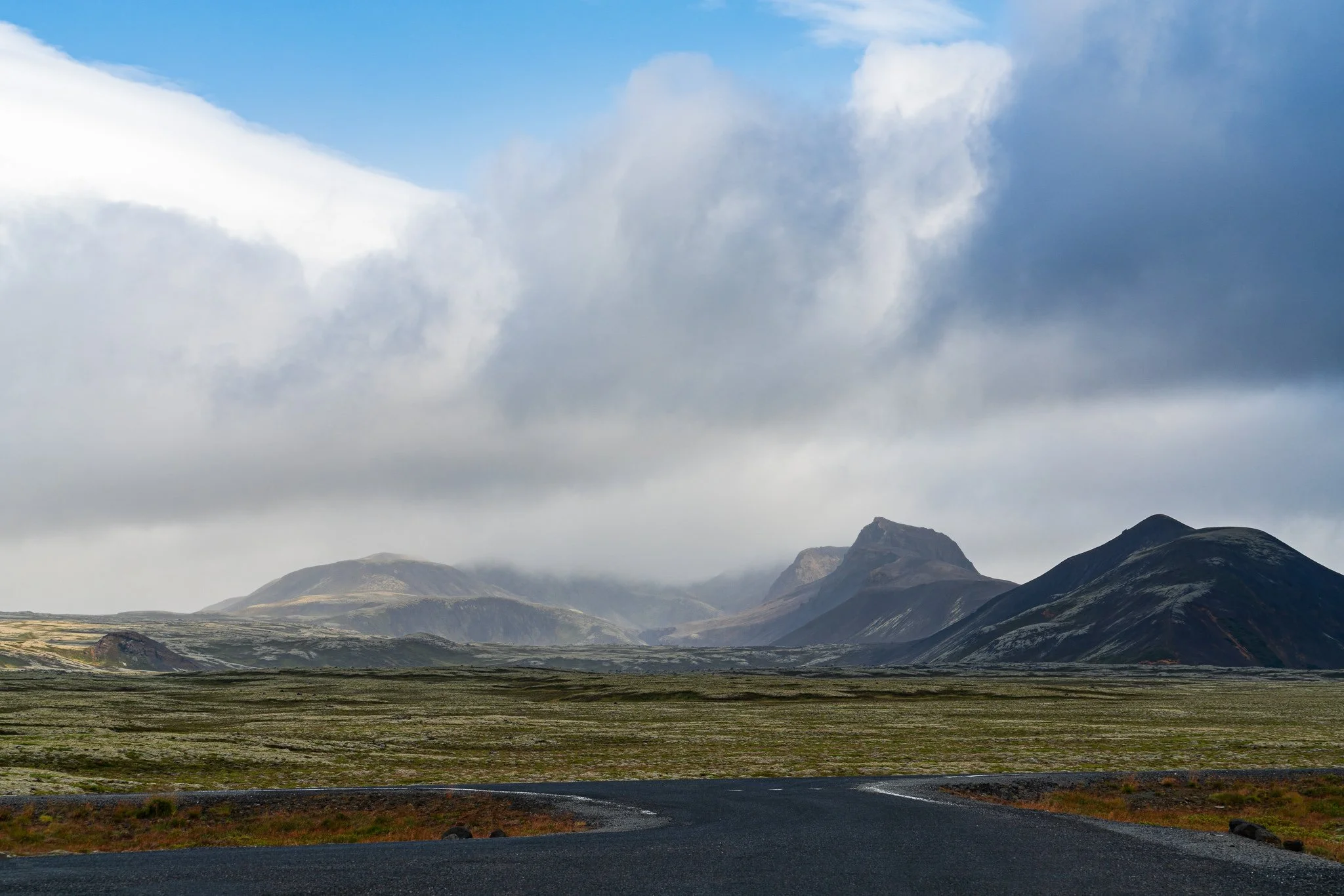
The Overlay blending mode is one you should know. An excellent way to pop contrast and blend exposures, it is one of the most popular blending modes.

The Color Dodge Blending Mode In ON1
Color Dodge is a useful blending mode for creative and unique color grading. Its results can be harder to predict, so do be prepared for some experimentation.

The Lighten Blending Mode In ON1
Take your cityscape photos to a new level with a little field prep and the Lighten blending mode.

The Normal Blending Mode In ON1
The default blending mode of Normal makes no special changes to the pixels in a layer. It is perfect for exposure blending and double-exposure looks.
What Are Blending Modes In ON1?
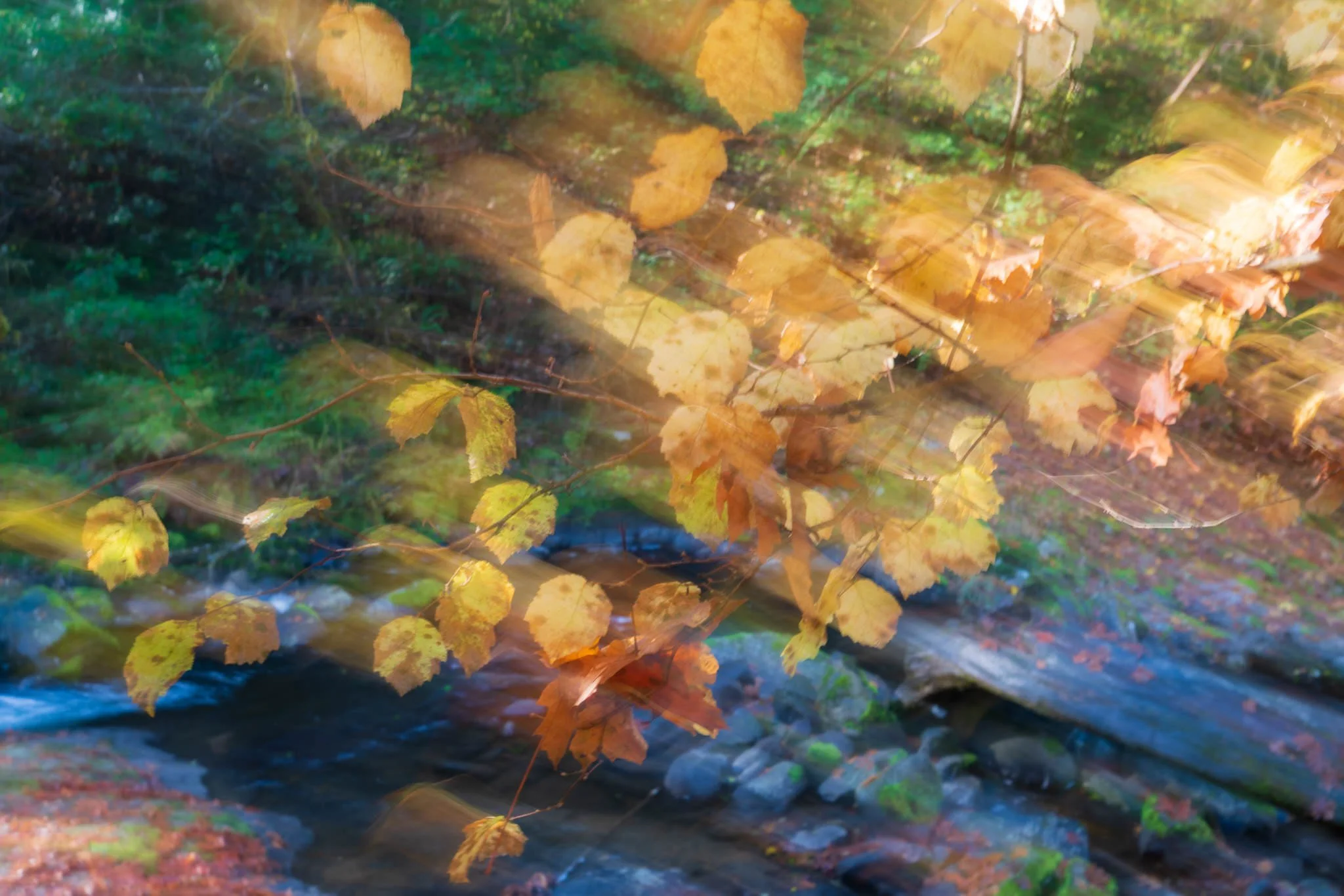
The blending modes in ON1 change the way filters and layers interact with one another. They can be mysterious. Join me for a series of videos and articles that show practical uses for blending modes.